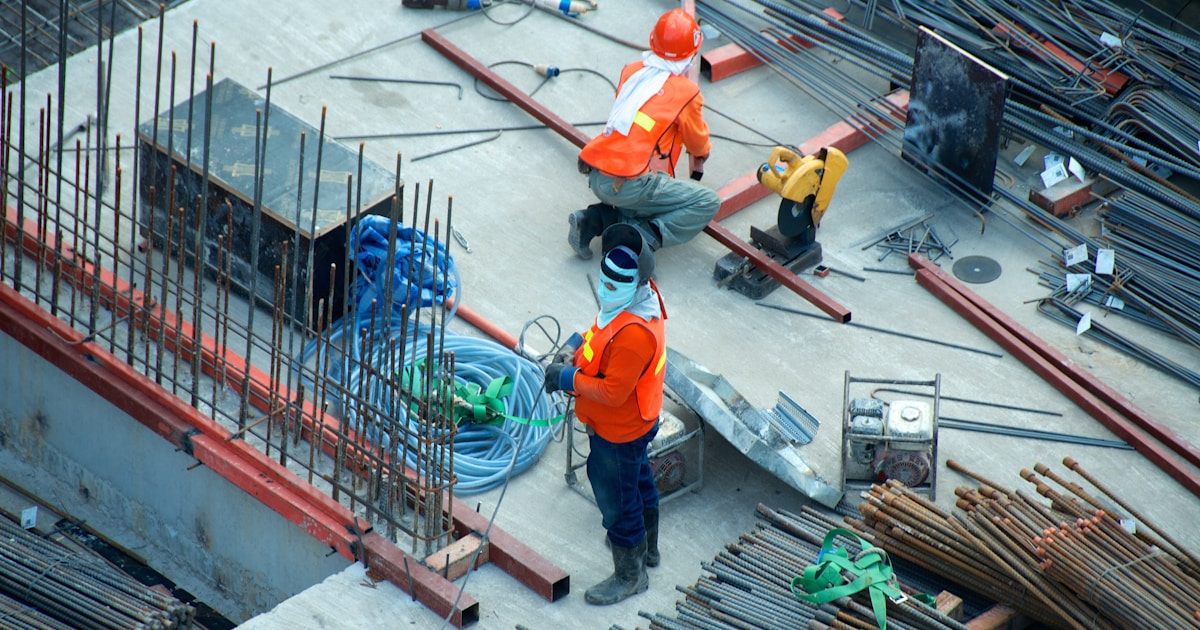
Site visits are essential for accurate construction bidding. Missing a mandatory site visit can disqualify your bid, while a thorough inspection can reveal opportunities and risks that affect your pricing strategy.
Why Site Visits Matter
Bid Document Limitations
Drawings and specifications can't capture everything:
| What Documents Show | What Site Visits Reveal | |---------------------|------------------------| | Design intent | Actual conditions | | Assumed conditions | Real constraints | | Theoretical access | Practical limitations | | Planned utilities | Existing infrastructure |
Benefits of Site Visits
Risk Reduction:
- Identify unforeseen conditions
- Verify document accuracy
- Discover access limitations
- Assess logistical challenges
Competitive Advantage:
- Price conditions accurately
- Identify value engineering options
- Plan efficient execution
- Avoid contingency padding
Mandatory vs. Recommended Visits
Mandatory Site Visits
Some projects require attendance at scheduled site visits:
Typical Requirements:
- Government projects frequently mandate visits
- Sign-in sheet documents attendance
- Certificate of attendance issued
- Bid rejection if not attended
Important Considerations:
- Mark calendar immediately when bid identified
- Arrange travel well in advance
- Designate appropriate representative
- Cannot send proxy without approval
Recommended Site Visits
Even when optional, site visits are advisable for:
| Project Type | Recommendation | |--------------|----------------| | Renovation/addition | Essential | | Industrial | Highly recommended | | Site work | Highly recommended | | New construction (clear site) | Recommended | | Repetitive building types | Helpful |
Pre-Visit Preparation
Document Review
Before visiting, understand:
- Project scope and size
- Site plan and existing conditions drawings
- Geotechnical reports (if available)
- Survey information
- Specification requirements
- Key concerns or questions
Prepare Your Checklist
Customize checklists for project type:
- General site conditions
- Access and staging
- Utilities and infrastructure
- Environmental factors
- Existing conditions (renovation)
- Specialty items for project type
Equipment to Bring
| Item | Purpose | |------|---------| | Camera/phone | Photo documentation | | Measuring devices | Verify dimensions | | Notepad/tablet | Record observations | | PPE | Safety compliance | | Bid documents | Reference during visit | | Business cards | Networking |
What to Inspect
General Site Conditions
Physical Characteristics:
- Topography and drainage
- Soil conditions visible
- Existing vegetation
- Water features
- Adjacent properties
Access and Circulation:
- Site entry points
- Road conditions
- Weight restrictions
- Turning radius limitations
- Traffic patterns
Utilities Assessment
| Utility | What to Verify | |---------|----------------| | Electrical | Existing service, transformer locations | | Water | Connection points, water pressure | | Sewer | Connection availability, depth | | Gas | Service availability, meter locations | | Communications | Fiber, cable availability |
Staging and Logistics
Evaluate:
- Material laydown areas
- Equipment staging space
- Temporary facilities locations
- Parking availability
- Neighborhood constraints
Environmental Factors
Observe:
- Potential contamination signs
- Wetland areas
- Erosion concerns
- Noise/vibration sensitivity
- Adjacent sensitive receptors
For Renovation Projects
Additional Focus:
- Existing construction type
- Material conditions
- Hazardous materials indicators
- Operational constraints
- Occupied space considerations
Documentation Best Practices
Photo Documentation
What to Photograph:
- Overall site views (multiple angles)
- Access points and routes
- Utility connections
- Problem areas
- Reference points for dimensions
- Anything unusual or concerning
Photo Tips:
- Include reference objects for scale
- Note location and direction
- Capture signage and labels
- Document date/time
- Organize by area/category
Written Notes
Document observations systematically:
Site Visit Notes Template
-------------------------
Project: [Name]
Date: [Date]
Attendees: [Names]
Weather: [Conditions]

General Observations:
- [Notes]

Access/Staging:
- [Notes]

Utilities:
- [Notes]

Concerns/Questions:
- [Notes]

Follow-up Required:
- [Actions]
Measurements
When possible, verify:
- Key dimensions
- Distances for logistics
- Existing conditions (renovation)
- Access clearances
Site Visit Meeting Conduct
Pre-Bid Meeting Protocol
Best Practices:
- Arrive early
- Sign in properly
- Listen carefully to presentation
- Take comprehensive notes
- Ask thoughtful questions
- Network with other attendees
- Obtain all handouts
Questions to Ask
| Category | Sample Questions | |----------|------------------| | Access | "Will access remain as shown during construction?" | | Schedule | "Are there blackout dates or restrictions?" | | Existing conditions | "Is there additional survey data available?" | | Utilities | "Who is responsible for utility locates?" | | Logistics | "Are there staging area restrictions?" |
What Not to Do
- Don't reveal your bidding strategy
- Don't discuss pricing with competitors
- Don't make assumptions without asking
- Don't skip portions of the tour
- Don't ask questions answered in documents
Post-Visit Actions
Debrief Process
Immediately after the visit:
- Organize documentation - Photos, notes, handouts
- Brief team - Share findings with estimating team
- Update estimate - Incorporate discoveries
- Document concerns - List items requiring clarification
- Submit RFIs - Ask formal questions if needed
Estimating Adjustments
Consider impacts to:
| Area | Potential Adjustments | |------|----------------------| | General conditions | Duration, equipment needs | | Site work | Access, staging, logistics | | Subcontractor scope | Specialty conditions | | Contingency | Risk factors discovered | | Schedule | Realistic durations |
RFI Follow-up
If site visit revealed questions:
- Document specific concerns
- Reference visit observations
- Submit RFIs promptly
- Request written clarification
- Track responses
Common Discoveries
Positive Discoveries
| Finding | Benefit | |---------|---------| | Better access than expected | Lower logistics costs | | Existing utilities adequate | Reduced utility work | | Favorable soil conditions | Less foundation work | | More staging area | Efficient operations |
Negative Discoveries
| Finding | Impact | |---------|--------| | Limited access | Higher material handling costs | | Unknown utilities | Relocation costs | | Contamination indicators | Remediation risk | | Noise restrictions | Schedule impacts |
Red Flags
Watch for warning signs:
- Environmental contamination evidence
- Undisclosed existing conditions
- Access more restricted than documents show
- Neighborhood opposition
- Active operations complicating work
Site Visit Checklist
General Items
- [ ] Sign-in completed
- [ ] Certificate obtained (if applicable)
- [ ] All handouts collected
- [ ] Contact information gathered
- [ ] Questions asked and answered
- [ ] Photos taken comprehensively
- [ ] Notes complete and organized
Site Conditions
- [ ] Access verified
- [ ] Staging areas identified
- [ ] Utilities located
- [ ] Existing conditions documented
- [ ] Environmental concerns noted
- [ ] Logistical constraints identified
- [ ] Adjacent properties observed
Follow-up
- [ ] Team debriefed
- [ ] Estimate updated
- [ ] RFIs submitted if needed
- [ ] Documentation filed
- [ ] Concerns escalated
Related Articles
- How to Write Winning Construction Bid Proposals
- Construction Bid Risk Assessment Guide
- Bid/No-Bid Decision Making Framework
Frequently Asked Questions
What happens if I miss a mandatory site visit? Your bid will typically be rejected as non-responsive. Some owners allow attendance at alternate scheduled visits if multiple are offered.
Can I send someone else to the site visit? Generally yes, but verify with bid documents. The representative should be knowledgeable enough to assess conditions relevant to your work.
How long should I allow for a site visit? Budget at least 2-3 hours for meaningful inspection. Large or complex sites may require half a day or more.
Should subcontractors attend site visits? Key subcontractors, especially site work and major trades, benefit from attending. Coordinate to ensure critical questions are addressed.
What if conditions differ from bid documents? Document differences, submit RFIs for clarification, and price based on actual conditions you observed while noting the discrepancy.